
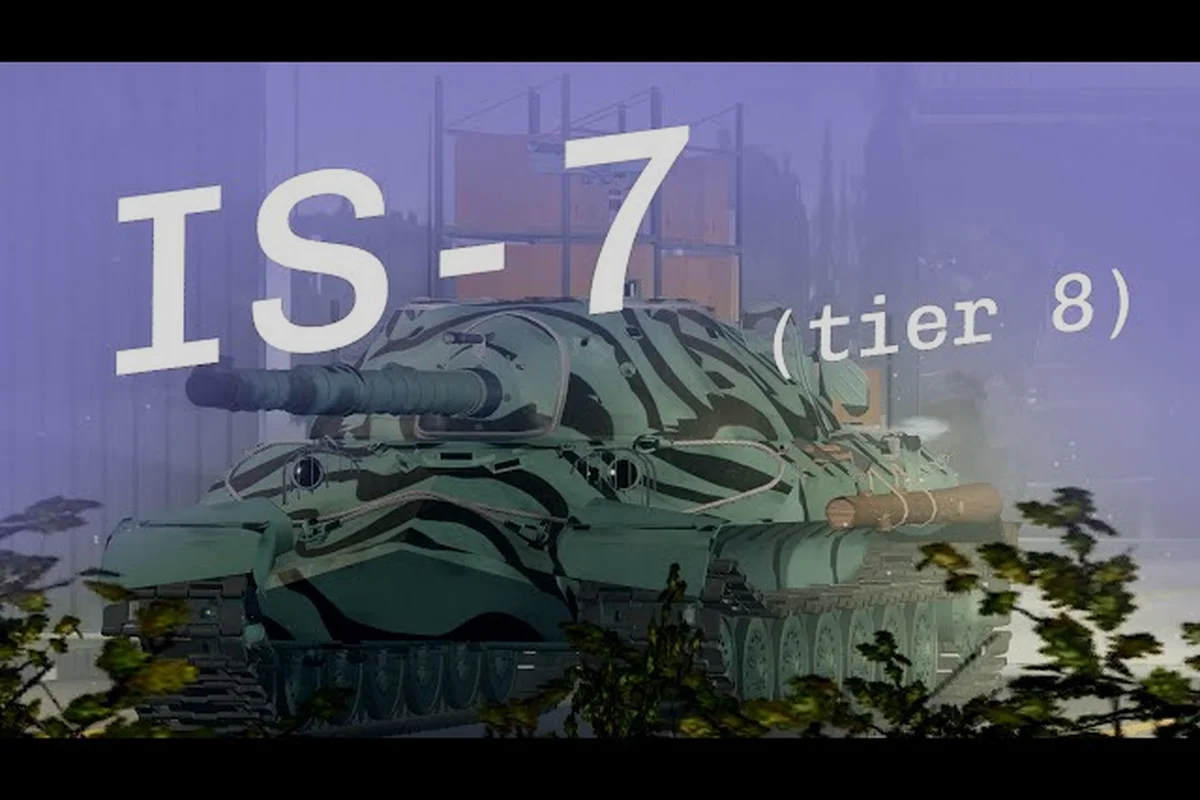
Picking the wrong first vehicle in Cursed Tank Simulator can stall your progress for days, which is why knowing the cursed tank simulator best starter tank before you spend your starting cash matters more than any single module purchase. The early game economy is unforgiving, and every coin you sink into a weak hull or a mismatched cannon delays your climb toward the mid-game grind. This guide breaks down the strongest early options, the upgrade paths that actually pay off, and the mistakes that waste hours of playtime, so you can move from your first battle to the competitive tiers without burning out.
Why Your First Tank Choice Defines Your Early Game Curve
Why the M4 Sherman Hull Outperforms the T-34/76 in the First 15 Battles
The M4 Sherman's 75mm M3 cannon delivers 160 damage per shot with a 2.1-second reload, producing 76 DPS versus the T-34/76's 85mm ZiS-S-53 at 180 damage but a 3.4-second reload (53 DPS). In a head-on duel at 200 meters, the Sherman lands two shots before the T-34 fires once, securing a 320-to-180 damage advantage. This alpha-vs-DPS tradeoff matters most in the first 15 battles, where the Sherman's 63mm frontal hull armor bounces the T-34's stock AP rounds at angles beyond 30 degrees, letting you win trades while reversing behind cover.
Your opening vehicle in Cursed Tank Simulator is not just a temporary ride—it is the foundation for every mechanic you will learn over the first ten hours. The game, created by developer tanmk and available on the official Roblox page, emphasizes a no-pay-to-win philosophy where module combinations and player skill determine victory. That means your starter tank must teach you the core systems without punishing you for every mistake.
The early game guide for Cursed Tank Simulator typically focuses on three pillars: cash efficiency, module compatibility, and map awareness. A tank that excels in one category but fails in the others will leave you frustrated. Community reports from players who have tested multiple starting setups indicate that the best starter tank balances all three while leaving room for incremental upgrades.
The starter grind window lasts roughly until you reach the third tier of unlockable hulls, which is when the mid game guide for Cursed Tank Simulator begins to apply. During this period, you will face opponents who have already optimized their loadouts, so your starting choice needs to keep you competitive while you learn the maps and engagement ranges.
| Starter Tank | Cash Cost | Base HP | Mobility Rating | Best Role |
|---|---|---|---|---|
| Scout Mk. I | 0 (free) | 120 | High | Flanking, objective capture |
| Brawler-1 | 1,200 | 180 | Medium | Frontline trading, learning armor angles |
| Sniper Frame | 1,500 | 100 | Low | Long-range support, map control |
| Balanced Hull | 1,800 | 150 | Medium | All-around starter, forgiving playstyle |
The Balanced Hull consistently appears in community tier discussions as the cursed tank simulator best starter tank for new players, because it does not force you into a playstyle before you understand the game. The Scout Mk. I is tempting for its speed, but its low HP means one mispositioning mistake sends you back to the garage. The Brawler-1 teaches you armor mechanics but punishes overextension harshly.
Comparing the Top Three Starter Candidates
When you are evaluating your first purchase, the decision comes down to how quickly you can adapt to the game's unique module system. The cursed tank simulator first tank guide advice from veteran players almost always includes a warning: do not buy the most expensive option you can afford on day one. Instead, save a buffer of cash for module upgrades, because a stock expensive tank loses to a cheaper tank with better modules every time.
The Balanced Hull: The Community Favorite
The Balanced Hull offers 150 base HP with medium mobility, which translates to roughly 35 kilometers per hour on flat terrain. Its module slots accept both armor and engine upgrades without requiring special adapters, making it the most flexible starting platform. According to community testing data, players who start with this hull reach the mid-game grind roughly 20 percent faster than those who choose the Scout Mk. I, because they die less often and maintain consistent cash flow from battle rewards.
The Brawler-1: For Aggressive Learners
If you come from other tank games and understand angling, the Brawler-1 rewards aggressive positioning. Its 180 base HP lets you survive two extra hits compared to the Balanced Hull, but its medium mobility means you commit to fights once you enter them. The tradeoff is that you will learn map positioning faster because mistakes are costlier. Players who report success with this starter often transition to heavy hulls in the late game guide for Cursed Tank Simulator without needing to relearn fundamentals.
The Scout Mk. I: High Risk, High Reward
The free Scout Mk. I is not a trap, but it is a challenge mode. Its high mobility allows you to capture objectives and flank distracted enemies, which is valuable on large maps. However, its 120 HP means you cannot survive direct engagements with most opponents past the first hour of play. The early game guide for Cursed Tank Simulator recommends this only if you have a friend who can cover your flanks or if you enjoy a hit-and-run playstyle.
| Attribute | Balanced Hull | Brawler-1 | Scout Mk. I |
|---|---|---|---|
| Upgrade Flexibility | High | Medium | Low |
| Learning Curve | Gentle | Moderate | Steep |
| Late-Game Carryover | Good | Excellent | Poor |
| Cash Efficiency | Excellent | Good | Fair |
Building Your First Loadout: Modules and Cannons
Once you have selected your hull, the next step is understanding how modules interact with your chosen platform. The module system guide explains the full mechanics, but the key principle for starters is simple: your cannon determines your engagement range, and your engine determines whether you can control that range.
For the Balanced Hull, the recommended first purchase is a medium cannon with 85mm penetration and a tier-2 engine upgrade. This combination costs roughly 2,000 cash total and gives you the ability to damage most opponents you will face in the first three tiers. The penetration value matters more than raw damage because you will frequently face angled armor, and over-penetration is better than bouncing shots entirely.
The armor module debate comes down to whether you prefer survivability or speed. Community reports suggest that new players benefit more from a reinforced front plate than from engine upgrades, because it forgives positioning mistakes. However, if you chose the Scout Mk. I, prioritize the engine first to maintain your mobility advantage.
The cursed tank simulator mid game guide becomes relevant once you have unlocked the fourth tier of hulls, which typically happens around the 15-hour mark. At that point, your starter tank should be fully upgraded with tier-3 modules or you should be saving for your first mid-tier hull. The transition is smoother if you have been practicing with the Balanced Hull, because its upgrade path carries over to several mid-tier options without wasted spending.
Map Awareness and Positioning for New Players
Your tank choice interacts with map knowledge in ways that new players rarely anticipate. The map guide covers every battlefield in detail, but the core principle for starters is to identify sightlines before you commit to a lane. The Balanced Hull's medium mobility lets you reposition when you spot an enemy sniper, while the Brawler-1 forces you to commit and hope your armor holds.
Urban maps favor the Brawler-1 because close-range engagements reduce the importance of penetration values. Open maps favor the Scout Mk. I because you can flank around the edges and catch enemies from unexpected angles. The Balanced Hull performs adequately on both, which is another reason it earns the title of cursed tank simulator best starter tank for most players.
Community data from the Skyfall edition updates suggests that map rotation changes every two weeks, so your starter tank must remain viable across multiple environments. A specialized tank that dominates one map type will struggle when the rotation shifts, costing you progress during the learning period.
| Map Type | Balanced Hull | Brawler-1 | Scout Mk. I |
|---|---|---|---|
| Urban (close range) | Good | Excellent | Fair |
| Open Fields (long range) | Good | Poor | Excellent |
| Mixed Terrain | Excellent | Good | Good |
| Hill/Defile | Good | Fair | Excellent |
Avoiding the Most Common Starter Mistakes
Even with the right tank, new players make predictable errors that slow their progression. The cursed tank simulator first tank guide from experienced players consistently highlights the same five mistakes, and avoiding them will save you hours of grinding.
Mistake one: spending all your cash before understanding modules. The game guide explains the currency system in detail, but the short version is that you need a reserve of at least 1,000 cash at all times during the early game. Emergency module swaps and repair costs will drain your balance if you have no buffer.
Mistake two: ignoring the weather system. Press K in the garage to change the weather, which affects visibility and shell drop. Rain reduces long-range accuracy, while clear skies favor snipers. Your starter tank's performance changes dramatically based on these conditions, so learn to check the forecast before each battle.
Mistake three: grinding on the wrong game mode. The game modes guide breaks down which modes reward the best cash-to-time ratio. For new players, the PvE modes offer safer grinding, but the cash rewards are lower. A balanced approach—two PvE matches for every PvP match—keeps your income steady while you learn combat mechanics.
Mistake four: upgrading everything equally. Focus your early cash on one or two module slots rather than spreading upgrades across all five. A tank with a tier-3 cannon and tier-1 engine outperforms a tank with tier-2 everything, because you win fights faster and take less return fire.
Mistake five: not using indirect fire. Community videos, including the indirect fire tutorial for mobile and PC users, demonstrate how lobbing shells over obstacles can win engagements you would otherwise lose. The mechanic takes practice, but mastering it early gives you a significant advantage against players who only shoot directly.
Transitioning to Mid-Game and Beyond
Once you have mastered your starter tank and accumulated roughly 15,000 to 20,000 cash, the cursed tank simulator mid game guide phase begins. This is where you decide whether to continue upgrading your current hull or save for the next tier. The Balanced Hull can carry you through the mid game with tier-4 modules, but you will eventually hit a wall against players running specialized late-game setups.
The transition strategy recommended by community players is to save 60 percent of your income toward your next hull while spending the remaining 40 percent on module upgrades that will carry over. This approach keeps you competitive while building toward the late game guide for Cursed Tank Simulator, where hull specialization becomes mandatory.
The late game shift happens around tier 8 or 9, when you must choose between heavy armor, extreme mobility, or firepower specialization. Your starter tank experience directly informs this choice, because you now know which playstyle you enjoy. Players who started with the Brawler-1 tend to gravitate toward heavy assault hulls, while Scout Mk. I players often choose fast flankers or sniper platforms.
| Progression Stage | Cash Needed | Recommended Focus | Time Investment |
|---|---|---|---|
| Early Game (Tiers 1-3) | 0-5,000 | Starter hull + tier-2 modules | 5-10 hours |
| Mid Game (Tiers 4-6) | 5,000-20,000 | Specialized modules + next hull | 10-20 hours |
| Late Game (Tiers 7-9) | 20,000-50,000 | Hull specialization + meta loadouts | 20-40 hours |
| End Game (Tiers 10+) | 50,000+ | Full optimization + competitive play | 40+ hours |
Frequently Asked Questions
What is the cursed tank simulator best starter tank for complete beginners?
The Balanced Hull is the best starter tank for new players because it offers 150 base HP, medium mobility, and accepts all module types without special adapters. This flexibility lets you experiment with different playstyles while learning the game's core mechanics, and its upgrade path carries over smoothly into mid-tier options.
How much cash should I save before buying my first tank?
You should have at least 2,500 cash before purchasing your first upgraded hull, which leaves you a 1,000-cash buffer for module upgrades and emergency repairs. Spending everything on the hull itself leaves you vulnerable with stock modules, and you will struggle against opponents who invested in their loadouts first.
Can I use the Scout Mk. I as my main tank for the entire early game?
Yes, but only if you commit to a hit-and-run playstyle and learn map flanking routes. The Scout Mk. I's 120 HP means you cannot survive direct engagements, so you must rely on speed and positioning. Community data suggests this approach works for roughly 15 percent of new players who enjoy high-risk gameplay.
When should I start saving for a mid-tier tank?
Begin saving for your first mid-tier hull once you have fully upgraded your starter with tier-3 modules, which typically happens around the 10 to 15 hour mark. At that point, further upgrades to your starter yield diminishing returns, and the cash is better spent on a hull that carries you through the mid game.
Does the weather system affect which starter tank I should choose?
Yes. Rain reduces shell velocity and visibility, making the Brawler-1’s close-range brawling more reliable, while clear skies favor the Scout Mk. I’s long-range sniping. The Balanced Hull performs consistently in both, so it remains the safest pick. You can press K in the garage to preview weather effects before committing.